Home › Asphalt Resurfacing & Overlays
Refresh your worn driveway with asphalt resurfacing in Omaha, NE. We repair damage, apply a new asphalt overlay, and leave you with a smooth blacktop surface that looks like new.
Precision Asphalt Omaha provides professional asphalt resurfacing throughout Omaha, NE, Nebraska and the surrounding area. Our licensed, insured crew delivers safe, clean, on-time work with a free estimate before anything begins. Call (402) 370-7792 or request your free quote.
Asphalt Resurfacing & Overlays for Omaha Properties
If your driveway, parking lot, or private road in Omaha is cracked, rough, or starting to ravel, asphalt resurfacing can often restore it without the cost of full replacement. Precision Asphalt Omaha focuses on resurfacing and overlays that match local traffic loads, Midwest weather patterns, and neighborhood requirements so you get more life out of the pavement you already have.
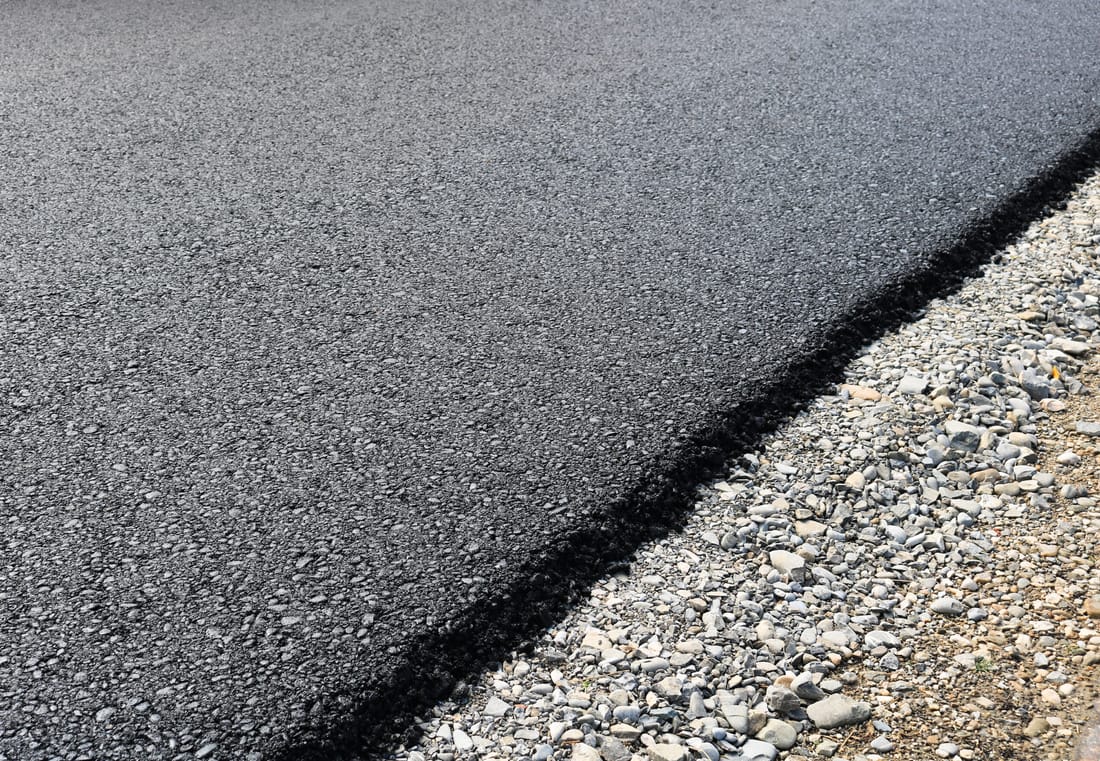
Resurfacing means keeping the existing asphalt base that still has strength, then grinding down and installing a new asphalt layer on top. This usually works well for commercial parking lots with widespread surface wear, residential driveways with moderate cracking, and townhome or HOA streets that look worn but are not falling apart. It is different from “sealcoating,” which is only a protective coating. Resurfacing adds real thickness and structure.
In the Omaha area, freeze and thaw cycles, snow removal, and heavy trucks are the biggest enemies of asphalt. Our resurfacing plans account for those realities. We look at how often plows scrape the surface, whether delivery trucks sit and turn in one area, and how water drains across the pavement. The goal is to correct existing problems, not just cover them up so they come back in a year or two.
Precision Asphalt Omaha provides resurfacing and overlays for small driveways in older Omaha neighborhoods, large retail centers along major routes, and industrial sites near I 80 and I 680. For each property, we balance cost, expected life, and disruption so you understand what you are paying for and how long it should realistically last in Nebraska conditions.
How Asphalt Resurfacing & Overlays Actually Work
Resurfacing and overlay jobs follow a clear process so the new asphalt bonds well and sheds water properly. We start with a site visit and core sampling if needed. On older or heavily cracked lots, we may drill small cores to see how thick the existing asphalt is, what the base layer looks like, and whether there are old patches underneath. This tells us how much milling and repairs will be needed.
Next, we mill or grind the existing surface. A milling machine removes the top layer of asphalt, usually between 1 and 2 inches, sometimes more if there are old overlays or deep ruts from trucks. Around concrete curbs, garage floors, and ADA ramps, we carefully control the milling depth so finished heights stay correct. This is important at storefronts and apartment entrances where even a half inch difference can create a trip hazard or ADA problem.
After milling, we repair problem spots in the base. If we find soft areas, potholes that go deep, or alligator cracking that indicates failed structure, we cut those areas out, rebuild the base with compacted aggregate, then install new base asphalt. Resurfacing only works long term if weak spots are removed before the new layer is placed.
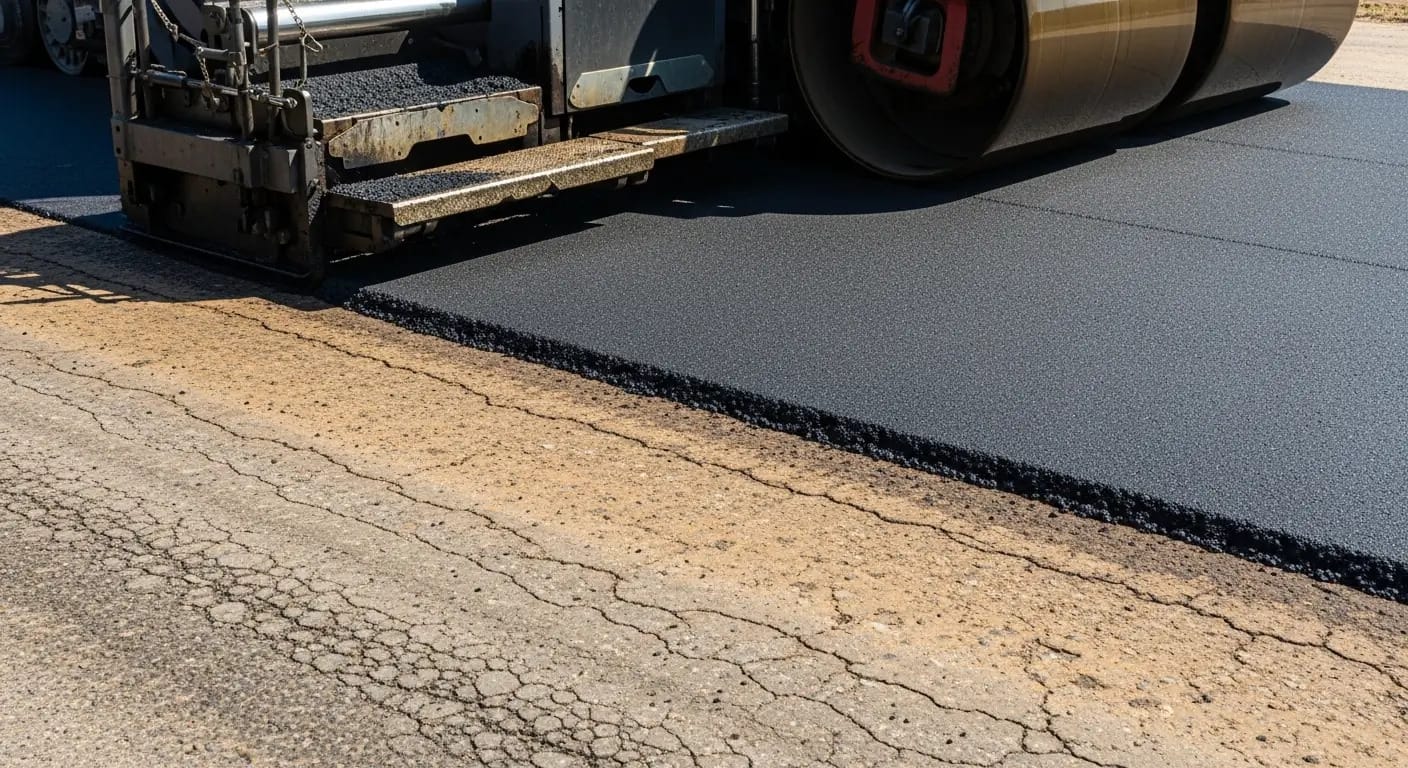
Once the base is sound and cleaned, we apply a tack coat, a thin sprayed layer that helps the new asphalt bond to the old surface. Then we install the new asphalt overlay with a paver. Typical overlay thickness in Omaha is 1.5 to 2 inches for driveways and light duty parking, and 2 to 3 inches for drive lanes, dumpster pads, and loading zones. We compact with steel drum and rubber tire rollers until we reach the target density so the surface will resist rutting and shoving.
The final step is joint tie in and cleanup. We smooth transitions to streets, alleys, and neighboring driveways, adjust or replace utility collars, and ensure water flows away from buildings. Once cooled and inspected, we can return to stripe the lot according to city layout standards and your traffic pattern.
Costs, Options, and What Drives Your Price
The cost of asphalt resurfacing in Omaha depends on more than just square footage. At Precision Asphalt Omaha, we walk customers through the factors so bids are easier to compare.
Thickness is one major driver. A 1.5 inch overlay for a light use driveway costs less per square foot than a 3 inch two lift overlay for a truck route or industrial yard. If your property has frequent garbage truck traffic, semi deliveries, or bus traffic, we will recommend a thicker section or stronger asphalt mix so the surface does not rut in the wheel paths.
Milling depth and complexity also affect price. Simple driveways with no curbs and few transitions are less expensive to mill than shopping centers with many curb returns, catch basins, and sidewalk crossings. If we have to hand work around numerous utilities or adjust many manholes, that adds labor and materials.
Underlying repairs are another cost factor. If your asphalt only has surface wear and some shallow cracks, resurfacing can be very cost effective. If there are wide areas of alligator cracking, base failures, or standing water, we will need to cut out and rebuild sections before the overlay. Our proposals itemize this work so you can see what is resurfacing and what is structural repair.
Material choices matter too. For overlays, we often use a dense graded surface mix tailored for our climate. In loading zones or high turning areas, we may recommend a mix with a higher quality aggregate and polymer modified binder for better rut and crack resistance. On residential driveways, we sometimes use a finer surface mix that compacts smoother and is easier on bare feet and snow shovels.
Access and timing can also influence costs. Night work at busy retail centers, staged phasing for medical offices that must stay open, and tight inner city locations with limited truck access all take more planning and crew time. We discuss these items with you upfront so there are no surprises later.
Local Issues: Omaha Weather, Drainage, and Rules
Omaha weather is hard on asphalt. We see hot summers, freeze and thaw cycles, and frequent deicing salt and plow activity in winter. Precision Asphalt Omaha plans resurfacing projects with this in mind so your new surface holds up longer.
Proper drainage is critical. Before we recommend an overlay, we check how water moves across your pavement during a rain. If water already ponds in low spots, simply overlaying the area at the same slope will trap more water and accelerate failure when it freezes. In those cases, we may adjust milling depths to reshape the surface, add small drainage swales, or install additional drains. For commercial lots, we pay close attention to water flowing away from building entrances and toward storm inlets, in line with City of Omaha stormwater expectations.
Many Omaha neighborhoods and nearby suburbs, such as Papillion, La Vista, and Bellevue, have HOA or architectural guidelines for driveway appearance and common area streets. While resurfacing itself usually does not require a city building permit, HOAs often require prior approval for major driveway or parking lot work, especially if striping or layout will change. We can provide scope descriptions, diagrams, and schedule details that you can submit to your HOA or property management board.
For commercial and multifamily properties, resurfacing sometimes triggers ADA accessibility updates if striping or parking layout is revised. We design overlays to maintain or create proper slopes at handicap stalls, access aisles, and ramps. If you are in the city limits, keeping these slopes within ADA guidelines helps you avoid compliance issues if there is an inspection or complaint.
Snow plowing is another local concern. New overlays should be protected from aggressive plow blades for the first season. We advise plow contractors to raise shoes slightly and avoid using broken or bent blades that can gouge fresh asphalt. We can also recommend deicer practices that are less harsh on new pavement while still providing safe winter traction.
When Resurfacing Makes Sense and How to Work With Us
Asphalt resurfacing is not right for every property. Precision Asphalt Omaha will only recommend it when the existing pavement base is sound enough to support a new layer. If more than about one third of the area has deep alligator cracking, severe base failures, or long term drainage issues, full depth replacement may be more cost effective and reliable over time.
Resurfacing is usually a smart option when the pavement shows widespread surface wear, moderate cracking, and some potholes, but the base is generally stable and drainage can be corrected with milling and slope adjustments. Typical examples include older shopping center parking lots that have faded and cracked, church lots that were built well but have 15 to 25 years of wear, and single family driveways with rough texture and patchwork repairs but no major settling.
If you are not sure whether resurfacing or replacement is best, we start with a straightforward evaluation. We walk the site with you, mark problem areas with paint, and explain what is cosmetic and what is structural. We may suggest a combination approach, such as full depth replacement in the worst drive lanes and resurfacing across the rest.
Once you decide to move forward, we schedule the work around your operations. For businesses, we can phase the resurfacing so some parking always stays open, for example front customer parking one day and back employee parking the next. For residential driveways, we coordinate with you so you have street parking options during the cure period.
Before we leave, we explain cure times, when you can drive and park on the new surface, and recommended maintenance. This often includes crack sealing as joints open, periodic sealcoating at the right intervals, and snow removal tips that fit Omaha winters. The goal is to protect your resurfacing investment so it delivers the longest possible service life.
If you want a clear, practical opinion on whether asphalt resurfacing is right for your Omaha property, Precision Asphalt Omaha will lay out your options in plain language so you can make a confident decision.